Face ID

Looking for a friendly face…

The Albert: Albert, web designer in Bangkok

Web designer Learner Home cook noun & verb & too many fonts forever in beta · currently: AI self-taught, smoke-alarm certified

designing websites and shipping them live. design to deploy. taking new tech apart — mostly AI — just to see how it thinks. cooking badly, laughing loudly, and breaking things on purpose.

Hi, I'm Albert, a web designer in Bangkok. Six years in design. I design websites with motion, then build them with AI and ship them live. Design to deploy.

Claude is next to me most of the day: I design, it codes, and I test the real page right away. I design apps and products too, but websites come first. The best ideas still come with 2am ramen.

Currently obsessed with AI agents. kerning. ramen broth. Claude Code. tiny details. AI agents.

Years designing: web, UI/UX and brand identity
0+
Websites and products designed
~0
Clients since 2019, including brand identity work
0+
Based in
Bangkok · GMT+7
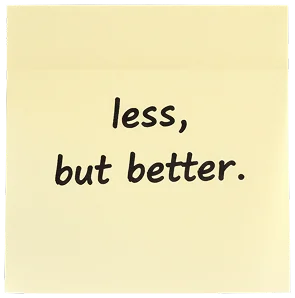
Design philosophy
less, but better.

Designing websites that feel

intuitivecalmboldaccessibleusefuldelightfulclearintuitivecalmboldaccessibleusefuldelightfulclear
humanplayfulobvioushonestfocusedcuriousthoughtfulhumanplayfulobvioushonestfocusedcuriousthoughtful
accessibleusefuldelightfulclearintuitivecalmboldaccessibleusefuldelightfulclearintuitivecalmbold
honestfocusedcuriousthoughtfulhumanplayfulobvioushonestfocusedcuriousthoughtfulhumanplayfulobvious

Web designer.
Product designer too.
Claude power user.

I make complicated things feel friendly.

Web designer. I design it and build it.

Most websites put people to sleep.

I make boring things interesting.

Scroll. Yawn. Leave.Scroll. Smile. Stay.
Expertise

What I'm
actually good at.

(the serious part, mostly)

  1. Web designWebsites and landing pages that tell a clear story.
  2. Responsive & interactiveWorks on every screen, with motion that helps.
  3. AI-native design Claude power userDesign it, build it with AI, test it live, all in one day.
  4. Product design tooApps and platforms, from the first flow to launch.
  5. Ship it rightEverything a developer needs, checked before it ships.
Things I'm proud of

More coming soon

  1. Magick Studios

    In 5 days, I turned a plain landing page into an interactive story that shows who we are, and built the whole frontend myself with AI.

  2. GabiGo

    An app that speaks to locals for you, out loud. As product owner, I designed the landing page and built the full app with AI. Ongoing.

  3. Deco Plus

    A client project for an interior design studio in Yangon: a calm, bilingual site with a style quiz. I took it from design to launch in about 2 weeks.

Experience

The changelog.

Every version shipped a little calmer than the last.

  1. Senior Designer @ General Magick Industries

    Apr 2025 — Present

    I lead design across our websites and products, and often take the work from idea to live page: the Magick Studios website (web designer and frontend, built with AI), Magick Box (lead designer, an AI platform for mobile and web), Magick Guardian (project owner for the app of a smart collar for training large dogs), and quick prototypes with Claude.

  2. Freelance UI/UX Designer

    May 2025 — Present · part-time

    Alongside my full-time work, I design products for clients: Nova English (solo designer, an IELTS practice app for students in Myanmar with AI feedback, plus its CMS), Atomic Note (solo designer, an AI meeting assistant for the Burmese language, in development), and Hysan Jr. (co-planner of a learning ecosystem for kids aged 4–12, paused).

  3. UI/UX Designer @ K-Link Enterprise Solutions

    Mar 2023 — Mar 2025

    K-Link is a cloud communication platform. I designed interfaces, ran user research, and built prototypes to improve contact center work. I also rebuilt the old design system into a modern, organized one.

  4. UI/UX Designer @ Smilax Global

    Jan 2023 — Mar 2023

    My first UI/UX job. I designed landing pages and an e-learning platform, working closely with developers in a Scrum team.

  5. Freelance Brand Identity Designer

    Oct 2019 — Jan 2023

    I created logos, visual elements, and brand guidelines that helped clients share their values clearly.

Kind words

People said nice things.
I have receipts.

(drag them around · click one to see what they really meant)

  1. Albert turned our 40-screen mess into something our users actually understand. Support tickets dropped in the first month.

    — Maya R., Head of Product · Product design

  2. The system he built is the reason three teams ship without arguing about button padding anymore.

    — Daniel K., Engineering Lead · Design system

  3. He prototyped our AI assistant in code within a week. We tested with real users before a single sprint started.

    — Priya S., Founder · AI experience

  4. Albert asks “why” until the real problem shows up. Annoying in meetings, priceless in results.

    — Tom W., Product Manager · UX research

  5. Booking went from eleven taps to three. Our App Store rating went up a whole star.

    — Sofia L., CEO · Mobile app

  6. Calm, clear, and weirdly delightful. Our visitors stay longer and actually read things.

    — James O., Marketing Director · Website design

  7. Easy to work with, fast, and he explains design decisions so engineers nod instead of sigh.

    — Lena H., Frontend Developer · Collaboration

Questions

The questions you
actually want to ask.

Not an FAQ. The things you'd ask in the first coffee, answered before the coffee.

    1. Goal first. I research until I can explain the problem in one sentence: who visits, and what we want them to do. I talk to whoever knows the users best: a founder, a teacher, real users.
    2. Structure before screens. I map the pages and what each one needs to say, and agree on them with the team before any UI.
    3. Feel it, then plan it. I build a mood board in Figma until I can see the look, then plan the story: what people see first, and what comes next.
    4. Design and build, in the right order. Sometimes I prototype first in Claude and detail the pages in Figma later. Sometimes I design the detailed UI in Figma first and build after. Either way, every page works on phone and desktop, and ends up documented in Figma for the team.
    5. Ship small, learn, repeat. I launch, watch where people get stuck or leave, and fix it in the next version.
    1. I own the problem and the solution. I decide what we're solving and how, and AI helps me build it faster and test more ideas.
    2. Claude first. Most of my work now happens in Claude, because my ideas become real, working pages and prototypes in minutes. I still use Figma when a task needs it.
    3. Faster, clearer decisions. When people can click and try something real, feedback comes faster and arguments end sooner. I review every result before anyone sees it.
    4. Speed changes the work. When a new idea costs minutes instead of days, you explore more before you choose.
    1. Use it like a real visitor. Before touching anything, I use it myself on a phone and a laptop, watch how other people use it, and read the complaints.
    2. Find the weak points. Where do people get stuck? Which steps can we remove? That becomes the brief.
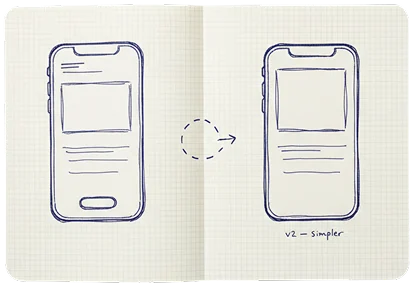
    3. Same problem, new solution. I don't just repaint the old pages. I look for a better way to solve the problem, even if it means a completely different structure.
    4. Ship in small versions. Agree on what "better" means up front, then release step by step and measure it against the old version.
    1. Take the note, not the offence.
    2. Ask what problem they see before we argue about the fix. Most feedback is a symptom.
    3. Say "you're right" when they are. Push back with evidence, not taste.
    1. A page or feature with no clear problem behind it. If we can't say who it's for and what it fixes, we're not ready to build it.
    2. Anything that tricks the user: fake urgency, hidden costs, a cancel button that hides.
    3. Building everything at once. I'd rather ship an MVP, test it, and learn, than spend months on something nobody wanted.
    4. Extra steps and decoration that gets in the way. Every extra click or tap is a reason to leave. Function first, then beauty.
    1. In from day one. Engineers see the scope and flows early. Technical limits are design limits, and I'd rather know them on day one.
    2. Nobody waits on design. Once the flows are confirmed, backend developers start on the database while I design the UI, and frontend developers see early drafts. An engineer waiting on a designer is the most expensive silence in the building.
    3. Prototypes as specs. My clickable prototypes show exactly how things should feel, and I write down the states and edge cases they can't show.
    4. Finish together. I answer questions fast, check the build against the design, and fix the last details with the developers.
    1. Over-polishing. I can spend too long on the last details. MVPs help me ship first and polish after launch.
    2. Trying every new tool. I love testing new AI tools, which can pull me away from the work in front of me. Now I try new ones only on side projects.
    3. Writing code by hand. I build real products with AI, not as a trained developer. I'm learning the basics so I can review what AI writes.
    1. Meet everyone who touches the product, and the people who answer its emails.
    2. Use the website and product as a new visitor would, and write down every place I get confused.
    3. Pick one small, real fix and ship it, so we've worked together once before anything big.
    4. Agree on what "better" means, so by week four we can tell.